A la izquierda de sí mismos
Jan 14, 2020 | Chapters, Publications

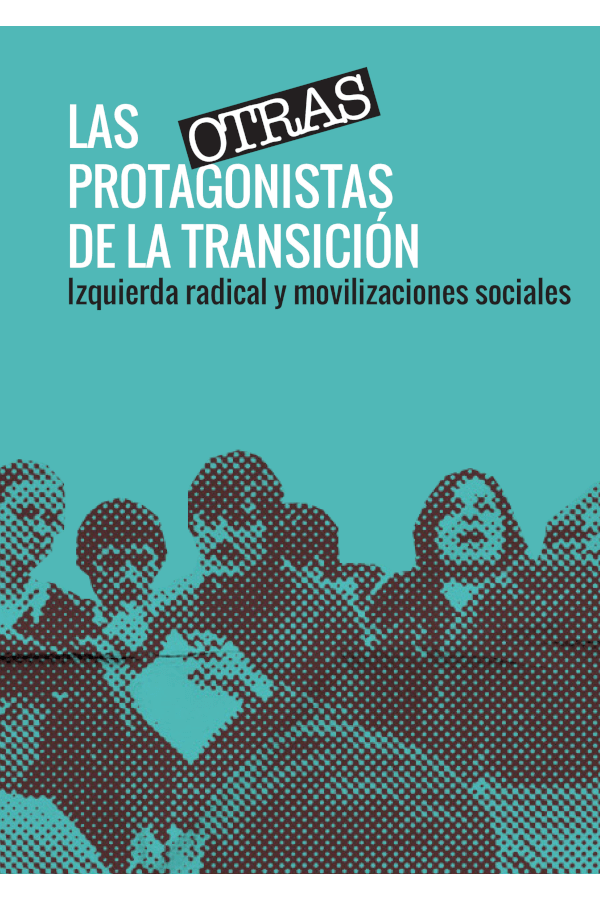
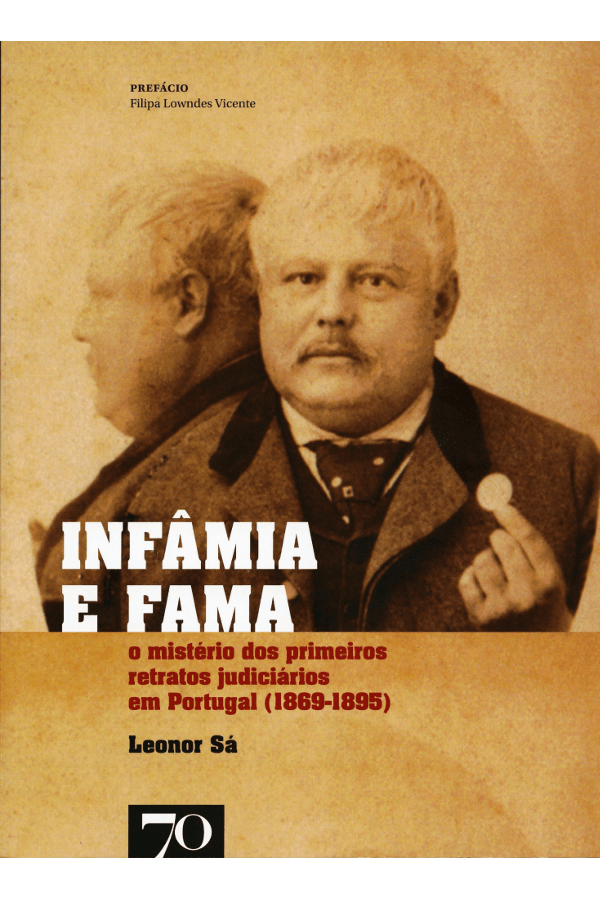
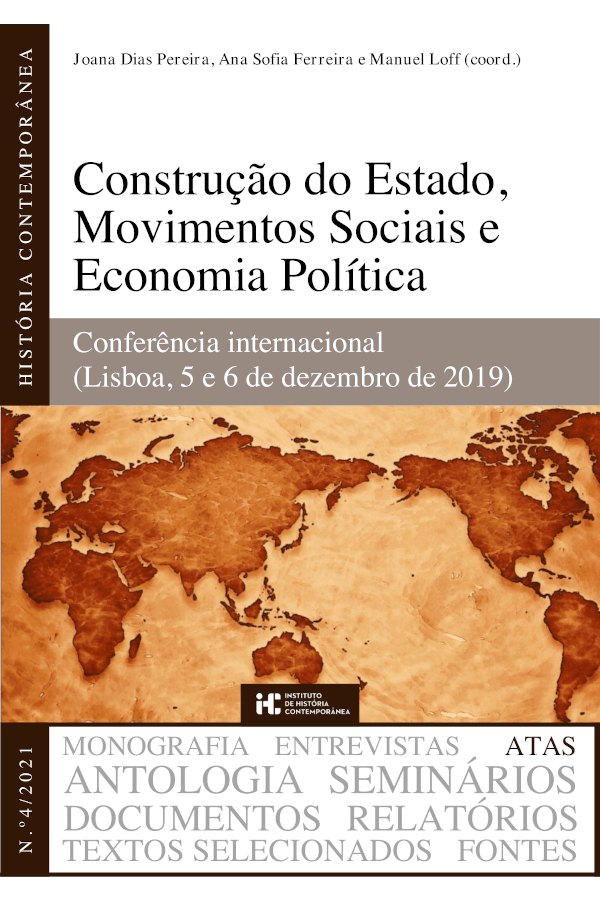
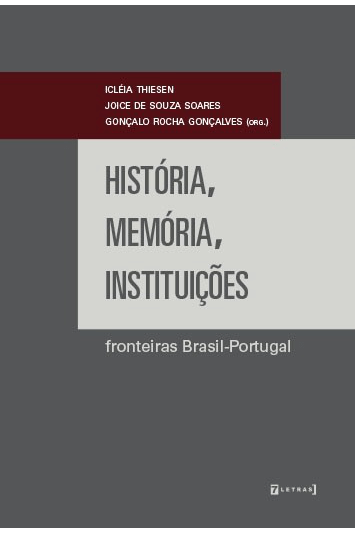
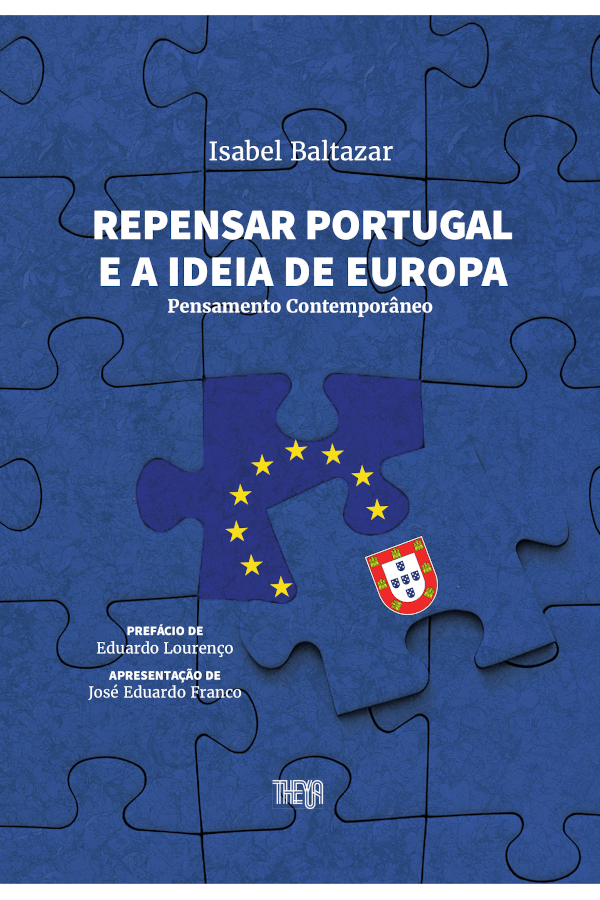
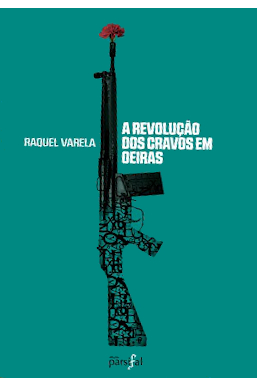
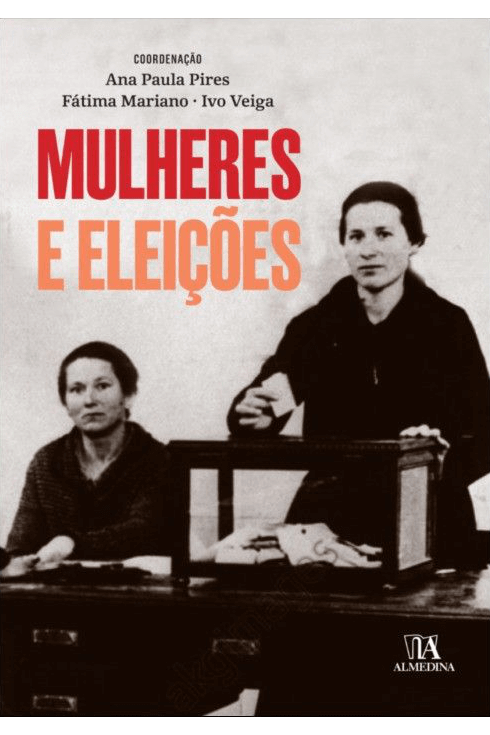
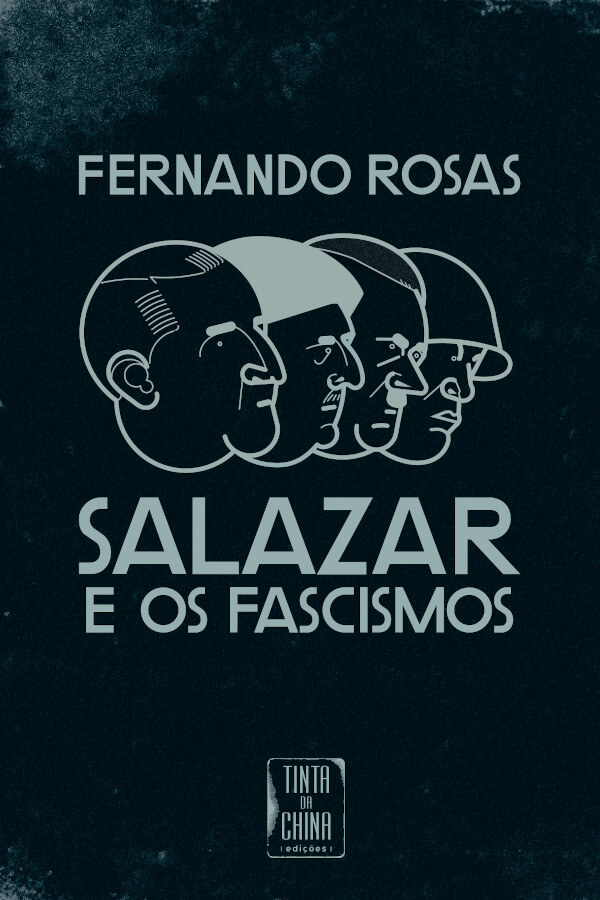
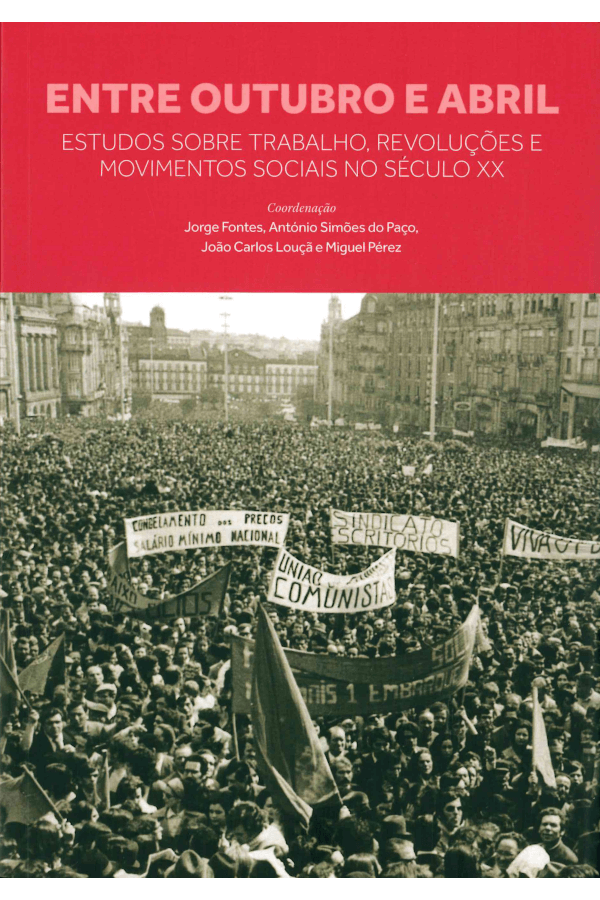
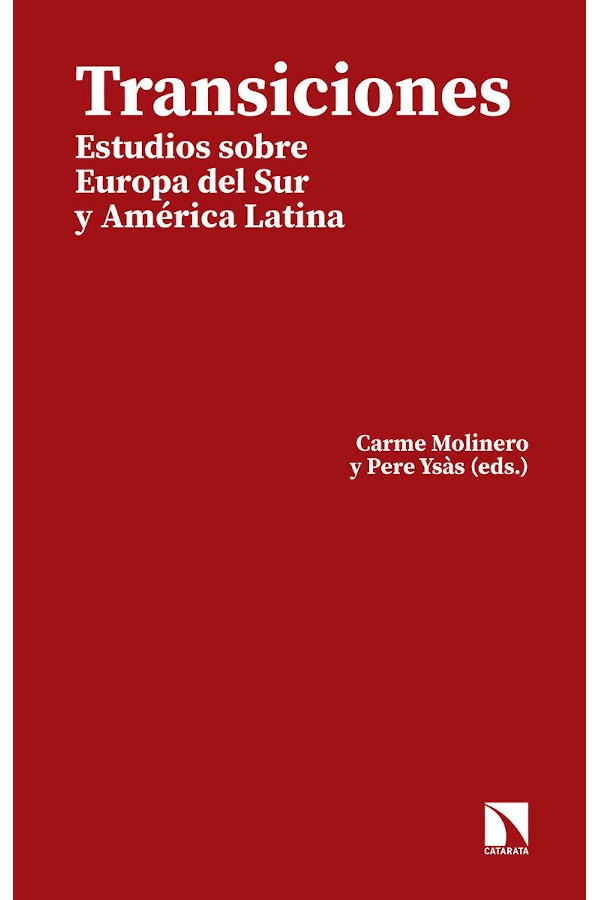
A la izquierda de sí mismos: los socialistas portugueses. De la revolución al gobierno [Left of themselves: the Portuguese socialists. From the revolution to the government]
- Manuel Loff
- Transiciones. Estudios sobre Europa del Sur y América Latina [Transitions. Studies on Southern Europe and Latin America]
- Carme Molinero and Pere Ysàs (Eds.)
- 2019
- Madrid: Los Libros de la Catarata
- Language: Spanish
- ISBN: 978-84-9097-900-6
- 37-59
About the book:
Portugal, España, Chile y Argentina vivieron, entre mediados de los años setenta y los ochenta, un proceso de transición tras el final de las respectivas dictaduras que hubieron de padecer. No siempre es cierto que tras la tormenta llegue la calma, pues la lucha contra la inercia de estos regímenes suele convertirse en un tenaz obstáculo en el camino hacia la democracia. Pero ¿es este el destino que realmente se alcanza o es la normalización la adaptación de los anteriores engranajes al mecanismo democrático? En cualquier caso, fueron procesos protagonizados por la pugna entre el cambio y la continuidad, lo nuevo y lo viejo, el diálogo y las armas, la memoria y el olvido; y, asimismo, fueron muchas las personas que, también desde ámbitos que trascendían la esfera política, perseveraron en exigir los muchos saneamientos y reparaciones de las heridas causadas por las dictaduras. Cuatro transiciones con algunas similitudes y con notables diferencias, desarrolladas en contextos espaciales y temporales distintos, sobre las que en este libro se analizan aspectos clave. Cuatro procesos transicionales particularmente relevantes de la tercera ola de democratizaciones, sobre los que los autores, a través de una detallada y necesaria contextualización, aportan nuevos conocimientos y reflexiones para su mejor comprensión.
Other publications
Search
Events
fevereiro, 2026
Tipologia do Evento:
Todos
Todos
Colloquium
Conference
Conference
Congress
Course
Cycle
Debate
Exhibition
Launch
Lecture
Meeting
Movie session
Open calls
Opening
Other
Presentation
Round table
Seminar
Showcase
Symposium
Tour
Workshop
- Event Name
seg
ter
qua
qui
sex
sab
dom
-
-
-
-
-
-
1
2
3
4
5
6
7
8
9
10
11
12
13
14
15
16
17
18
19
20
21
22
23
24
25
26
27
28

Detalhes do Evento
This meeting seeks to encourage the participation and sharing of ideas calling on the voice of workers and the power of archives as a living tool for knowledge. We
Ver mais
Detalhes do Evento
This meeting seeks to encourage the participation and sharing of ideas calling on the voice of workers and the power of archives as a living tool for knowledge.
We are with you at home
Domestic work and collective action — Archives, memories, testimonies
In recent decades, the formation of a global economy of care and domestic services has become one of the central elements in understanding the transformations of work in capitalist societies (Ehrenreich and Hochschild, 2002; Lutz, 2011). This process of “international division of reproductive labour” (Parreñas, 2001; Anderson, 2007) is an example of how historical inequalities have been reconfigured and deepened in the transition from colonial to postcolonial contexts (Cox, 2006; Sartri, 2008). The absence of public care policies, combined with labour market deregulation and labour shortages in the sector, has produced a scenario of labour and social precariousness in which gender, ethnicity and class intersect. Employers’ preference for migrant workers—often without residence permits—has allowed the formation of a new servile class, characterised by fragile ties, an almost complete absence of rights and low wages (Giordano, 2022).
This context of structural vulnerability fuels the idea that domestic and care work is marked by social invisibility and a supposed inability to mobilise collectively. However, this interpretation tends to obscure the long history of resistance and organisational experiences led by these workers. Since the 19th century, multiple examples of labour demands and struggles against oppressive practices demonstrate that the sector, far from being disorganised, has been the scene of various forms of mobilisation for better working conditions (Anderson, 2001; Boris and Nadassen, 2008; Gutiérrez-Rodríguez, 2010). To recover and reflect on this historical trajectory is not only an exercise of remembrance, but a necessary step to reinscribe domestic and care work in the global history of labour struggles, challenging narratives that seek to naturalise its subalternity.
>> Registration (free but mandatory)
DOMESTIC AND ARCHIVAL WORK
The title of this meeting is taken from a letter sent by a domestic worker to her union, kept in an archive, with no date, no sender or recipient, only a handwritten note: archive. It reads: ‘And never think you are alone, we are with you in the house where we work.’
We took inspiration for this meeting from this short excerpt, part of a text that describes, in the first person, the early migration to the city of Lisbon to work in someone else’s home at the age of seven.
Work on the archives of women workers’ organisations and the increased focus on trade unionism in the domestic service sector has received growing attention in recent years, throughout the world, partly driven by a renewed interest in the intersection of gender, class and migration inequalities in the sphere of paid domestic work. At this meeting, which will take place on 6 and 7 February 2026 in Lisbon, we are opening a space for, based on the project A Voz das Trabalhadoras (The Voice of Women Workers: The Archives of the Domestic Service Union [1974-1992]), to gather contributions from different geographical areas and fields of practice that intersect around domestic work, care and cleaning — and their articulation with forms of collective action, cooperativism, trade unionism, and memory construction.
Thus, with immersion in trade union archives and experiences of self-management and cooperativism in domestic service as our main starting point, we invite submissions of proposals that focus on the various repertoires of organisation and struggle adopted by workers in this sector/activity, focusing on oral history or archival research, the narration of experiences and self-representations of working conditions and contexts.
A TRANSNATIONAL AND INTERDISCIPLINARY DIALOGUE
Seeking to establish a transnational and interdisciplinary dialogue on these experiences, contributions are welcome in the following areas:
- Archival practices of/on domestic work;
- Migratory flows, citizenship, gender, and racialisation in domestic, cleaning, and care work;
- Collective action, cooperativism, and trade unionism in domestic work.
This meeting seeks to encourage the participation and sharing of ideas among activists, artists, researchers, workers and trade unions — calling on the voice of workers and the power of archives as a living tool for knowledge, learning and transformation.
Call for papers
We therefore invite proposals from different disciplinary fields and with different methodological approaches, welcoming the intersection of perspectives. The Meeting welcomes proposals from:
a) artists (performance, theatre, audiovisual);
b) researchers, archivists, activists and students;
c) domestic and care workers (collectives, cooperatives, trade unions)
Who, where, how?
Send short abstracts (max. 500 words) with a brief biography by 10 November 2025. Submissions to: encontro.trabalhodomestico2026@gmail.com.
Accepted languages: Portuguese, Spanish, English.
Venues: NOVA FCSH, Cape Verde Cultural Centre (Lisbon)
Organisation: CICS.NOVA and IHC
>> Download the call for papers (PDF) <<
Organising Committee
Ackssana Silva
Elsa Nogueira
Inês Brasão
José Soeiro
Mafalda Araújo
Nuno Ferreira Dias
Tempo
6 (Sexta-feira) 9:00 am - 7 (Sábado) 7:00 pm
Localização
NOVA School of Social Sciences and Humanities and Cabo Verde Cultural Centre
Organizador
Institute of Contemporary History and CICS.NOVA — NOVA School of Social Sciences and Humanities

Detalhes do Evento
Continuing the celebration of the centenary of Frantz Fanon’s birth, this cycle proposes to reflect on his multiple legacies, from the anti-racist struggle to decolonisation movements, as well as his
Ver mais
Detalhes do Evento
Continuing the celebration of the centenary of Frantz Fanon’s birth, this cycle proposes to reflect on his multiple legacies, from the anti-racist struggle to decolonisation movements, as well as his work as a psychiatrist.
Frantz Fanon | Ciclo de Cinema 2026
Dando continuidade à celebração do centenário do nascimento de Frantz Fanon, este ciclo propõe reflectir sobre os seus múltiplos legados, desde a luta anti-racista aos movimentos de descolonização, passando ainda pela sua actividade como psiquiatra – intimamente entrelaçada com as duas outras vertentes. Já na sua primeira obra Pele negra, máscaras brancas (1952), o cinema ocupa um espaço marginal mas não menos decisivo no que diz respeito a questões de representação, tendo um lugar central nas terapias alternativas que Fanon viria a introduzir no Hospital Psiquiátrico de Blida-Joinville, na Argélia, enquanto Médico-chefe de serviço entre 1953 e 1956. A leitura de Fanon revela-se fundamental não só para a compreensão do contexto histórico em que surgiu, com as suas ramificações entre os movimentos de libertação e as causas do chamado Terceiro Mundo nas décadas de 1960 e 1970, mas sobretudo na luta pelos direitos de grupos racializados. Todas estas questões voltam a ecoar no século XXI, quer em movimentos sociais que reivindicam uma cidadania efectivamente igualitária, quer na discussão sobre a urgência da descolonização dos saberes e das instituições. Como ler Fanon, hoje, a partir de Portugal? Qual o papel das instituições e dos diferentes movimentos na sua recepção? Qual a relevância da sua obra para a nossa contemporaneidade, tendo em conta a complexidade das suas diferentes vertentes – anti-colonial, anti-racista, terapêutica – e a reivindicação para se “sair da grande noite” do colonialismo?
À projecção dos filmes segue-se uma conversa com convidados/as e debate.
As sessões 1 a 4 decorrem na Casa do Comum; a sessão 5 decorre no Cinema Fernando Lopes.
Os filmes são legendados em inglês.
Organização: Manuela Ribeiro Sanches, Miguel Ribeiro e Sofia Victorino, com o IHC —NOVA FCSH
>> Descarregar o programa do ciclo (PDF) <<
Sessão 4 | Sábado, 7 Fevereiro, 16:00
La Hora de los Hornos. Parte 1: Neo-colonialismo e Violência, 1968, Fernando E. Solanas, Octavio Getino, 1966-68, Argentina, 85’
Produzido pelo Grupo Cine Liberación nos anos que antecederam a chamada Guerra Suja, A Hora dos Fornos foi ao mesmo tempo cinema inovador e manifesto guerrilheiro pela queda da ditadura argentina. Combinando imagens de actualidade que retratam a agitação socio-política entre 1945 e 1968 com testemunhos de militantes peronistas e de figuras revolucionárias como José Martí, Che Guevara, Frantz Fanon e José Carlos Mariátegui, o filme assumiu-se como ferramenta de resistência e de mobilização socialista. Exibido clandestinamente perante públicos que interrompiam as sessões para debater, tornou-se obra-chave do chamado Third Cinema, conceito defendido por Fernando Solanas e Octavio Getino em oposição ao modelo comercial de Hollywood. Dividido em catorze capítulos, a sua influência estendeu-se a cineastas e coletivos empenhados na transformação política, de Chris Marker ao Grupo Dziga Vertov e a Patricio Guzmán.
Conversa com Luís Trindade e Raquel Ribeiro
Fotografia: Frantz Fanon numa conferência de imprensa durante um congresso de escritores em Tunes, 1959 (Frantz Fanon Archives / IMEC)
Tempo
(Sábado) 4:00 pm - 6:30 pm
Organizador
Institute of Contemporary History — NOVA School of Social Sciences and Humanities and Casa do Comum
News
Víctor Barros and Pedro Cardim coordinate a programme on Creole Cultures and the Atlantic
Feb 6, 2026
Applications are open until 16 February
Ana Cristina Martins at the International Academy of Portuguese Culture

Jan 26, 2026
Will take office as a Full Member
Proença-a-Nova is the first partner in the ‘The Government of Us All’ programme
Jan 23, 2026
The city took up the challenge launched by the IHC last year
CONTACTS
WORKING HOURS