Fascism’s Road to Power
Jun 9, 2019 | Papers, Publications

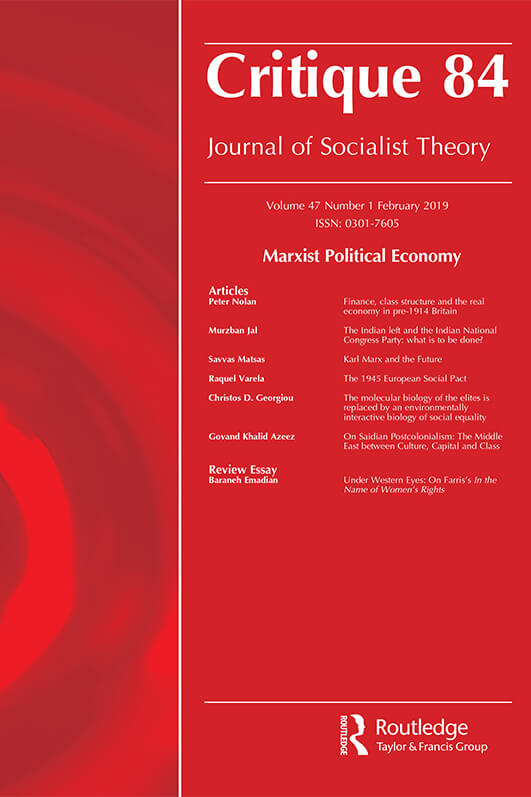
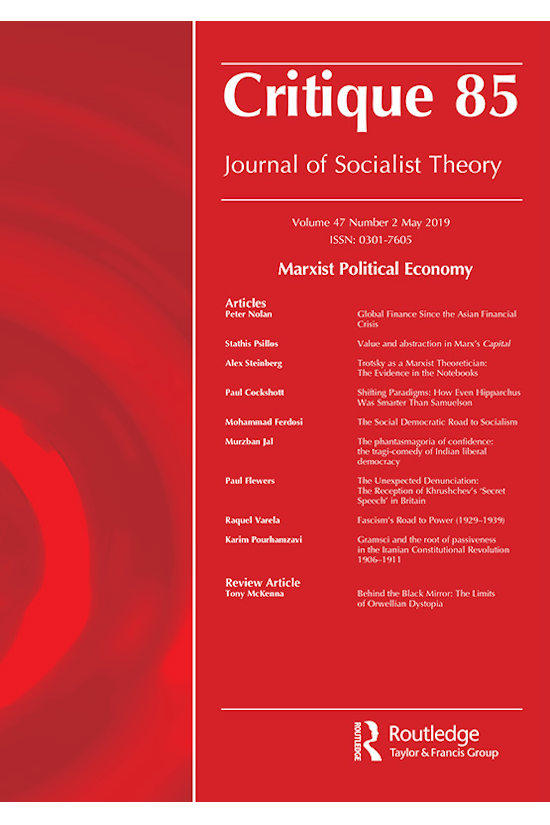
Fascism’s Road to Power (1929–1939)
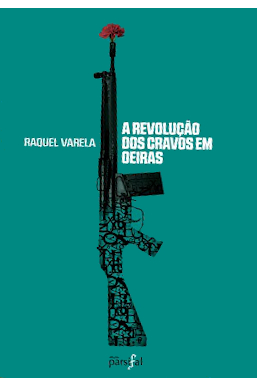
- Raquel Varela
- 2019
- Critique — Journal of Socialist Theory
- Volume 47
- 331-351
- Language: English
- DOI: https://doi.org/10.1080/03017605.2019.1601885
- ISSN: 0301-7605 / 1748-8605 (online)
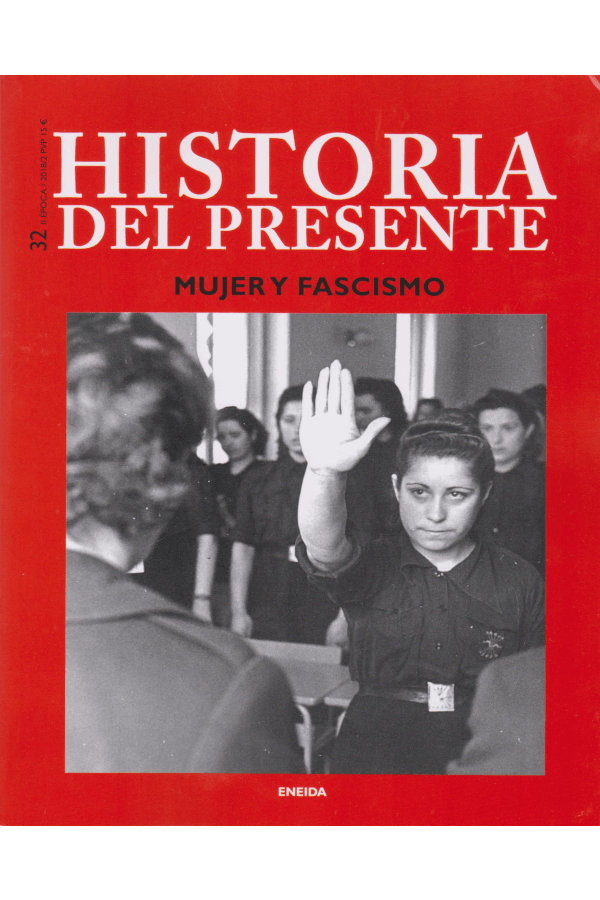
The idea of Nazism as an act of madness is closely linked to the revisionism of the 1950s, to the social pact, which sought to dissociate it from the crisis of capitalism, from the explicit support of the German bourgeoisie for the Nazi expansionist project—and the inability of both the West and the USSR to prevent the war. Nazism resulted from the militant support of the German industrial and financial sector to the Nazi project; the absence of support by the USSR and social democracy for the revolutionary projects of the 1930s; and the inaction, if not active complicity, of social democracy and its alliances with semi-Bonapartist powers before Hitler’s rise to power.
Key words:
Nazism, Popular Front, United Front, 1929 crisis
Other Publications
Search
Events
setembro, 2026
Tipologia do Evento:
Todos
Todos
Colloquium
Conference
Conference
Congress
Course
Cycle
Debate
Exhibition
Launch
Lecture
Meeting
Movie session
Open calls
Opening
Other
Presentation
Round table
Seminar
Showcase
Symposium
Tour
Workshop
- Event Name
seg
ter
qua
qui
sex
sab
dom
-
1
2
3
4
5
6
7
8
9
10
11
12
13
14
15
16
17
18
19
20
21
22
23
24
25
26
27
28
29
30

Detalhes do Evento
José Pedro Castanheira's second work about the political police of the Estado Novo during Caetano’s rule, will be launched at the Camões Secondary School in Lisbon,
Ver mais
Detalhes do Evento
José Pedro Castanheira’s second work about the political police of the Estado Novo during Caetano’s rule, will be launched at the Camões Secondary School in Lisbon, with a presentation by Maria Inácia Rezola and Fernando Mendes.
Histórias da PIDE
Quando era a DGS de Caetano. Volume 2
A «evolução na continuidade» prometida em 1968 por Marcello Caetano nada alterou na temida e execrada polícia política da ditadura. Apenas mudou o nome: a salazarista PIDE passou a chamar‑se Direção‑Geral de Segurança (DGS). A «primavera marcelista», que desabrochara com o fim da deportação de Mário Soares em São Tomé, começou a murchar 18 meses depois, quando o socialista foi compelido ao exílio em Paris. Outra vítima foi Daniel Cabrita, militante clandestino do PCP, fundador e primeiro líder da Intersindical (atual CGTP), torturado, julgado e condenado, cuja mulher se suicidou quando ele estava preso na cadeia de Peniche. À atenção e vigilância da PIDE/DGS continuava a não escapar ninguém: nem os sucessivos patriarcas de Lisboa, nem os sete oficiais que viriam a fazer parte da Junta de Salvação Nacional do 25 de Abril de 1974. A violência da DGS atingiu o paroxismo nas colónias, testemunhada pela Cruz Vermelha Internacional: nas vésperas da revolução, em Moçambique a tortura prosseguia, em massa e até à morte.
Estas são algumas das Histórias da PIDE que José Pedro Castanheira investigou ao longo dos anos para o Expresso, e que ocorreram durante a governação de Marcello Caetano.
Mais informações sobre o livro
Tempo
(Quarta-feira) 6:30 pm - 8:00 pm
Organizador
Tinda da China and Camões Secondary School
News
IHC renews its governing bodies and coordination teams
Sep 15, 2026
Rui Lopes is the new President of the Board of Directors
PHONLAB gives rise to a permanent exhibition at the University of Coimbra
Sep 10, 2026
‘Armando de Lacerda Wing’ opens on 17 September
Lisbon is hosting the 8th International Conference on Public History

Aug 31, 2026
Under the theme ‘The Public History of Difficult Pasts’
CONTACTS
WORKING HOURS