Sofia Pomba Guerra
Jul 8, 2019 | Papers, Publications

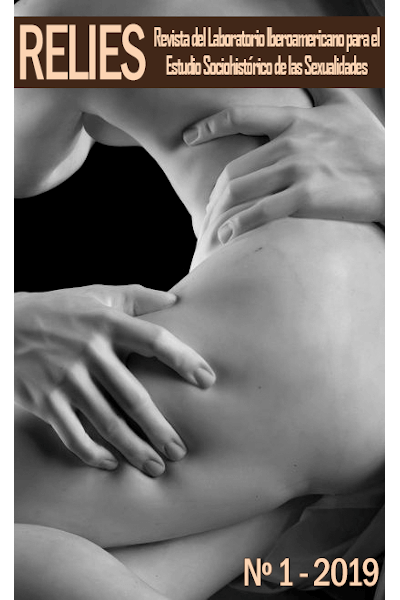
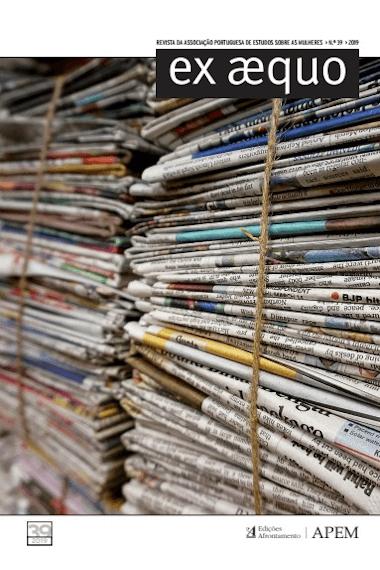
Sofia Pomba Guerra: a feminist in the Mozambican Press of the 1930s
- Pamela Peres Cabreira & Luís Carvalho
- 2019
- ex æquo
- Issue 39
- 121-135
- Language: Portuguese
- DOI: https://doi.org/10.22355/exaequo.2019.39.08
- ISSN: 0874-5560 / 2184-0385 (online)
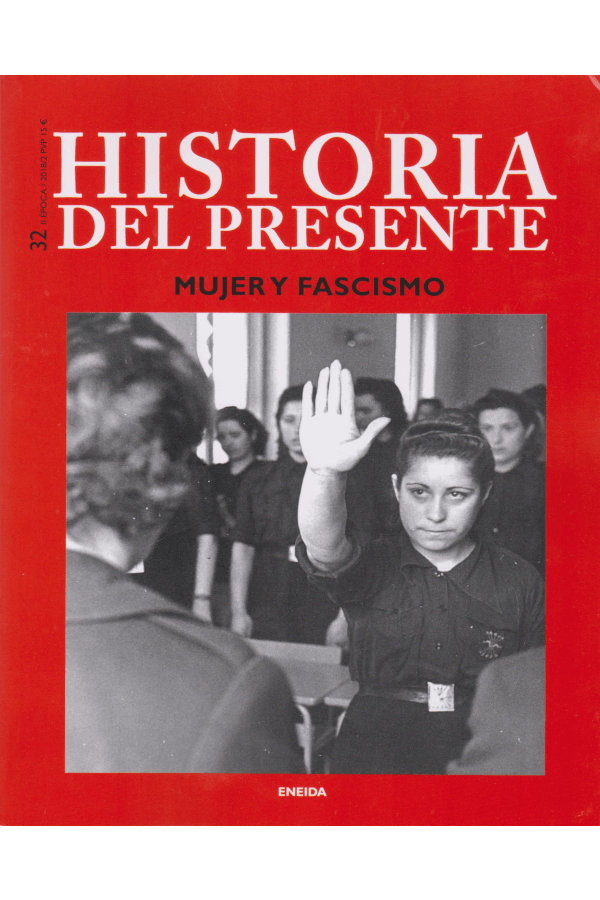
This article deals with the intervention of Sofia Pomba Guerra in the Mozambican press in the 1930s, through the newspapers O Emancipador and Notícias. It was the beginning of the activism course that would lead her later to take a leading role in the opposition to Salazar’s dictatorship in Mozambique and Portuguese Guinea, and to provide an important support to the African Party for the Independence of Guinea and Cape Verde (PAIGC). Active agent in the defence of women, of their social and political integration, the young Sofia will carry out a press campaign for the right to work and economic equality between men and women. Marked by her time and social condition, she will raise questions in the colonial press that until then were delegated to the masculine speech, which allows us to hypothesize its importance in taking to herself spaces of controversy as a woman and feminist.
Key words:
Sofia Pomba Guerra, colonial press, woman, work, feminism
Other Publications
Search
Events
maio, 2026
Tipologia do Evento:
Todos
Todos
Colloquium
Conference
Conference
Congress
Course
Cycle
Debate
Exhibition
Launch
Lecture
Meeting
Movie session
Open calls
Opening
Other
Presentation
Round table
Seminar
Showcase
Symposium
Tour
Workshop
- Event Name
seg
ter
qua
qui
sex
sab
dom
-
-
-
-
1
2
3
4
5
6
7
8
9
10
11
12
13
14
15
16
17
18
19
20
21
22
23
24
25
26
27
28
29
30
31

Detalhes do Evento
A preliminary review of the research into Brazil-Angola-Portugal relations at the start of the Angolan War of Independence, conducted over recent months in Portuguese archives by
Ver mais
Detalhes do Evento
A preliminary review of the research into Brazil-Angola-Portugal relations at the start of the Angolan War of Independence, conducted over recent months in Portuguese archives by Gilberto da Silva Guizelin.
“De onde sai fumo, forçosamente tem que haver fogo”:
As suspeitas das autoridades portuguesas sobre o envolvimento de Frederico Carlos Carnaúba, cônsul do Brasil em Luanda, com os movimentos de libertação de Angola (1961-1963)
Gilberto da Silva Guizelin (Universidade Federal do Paraná)
Em Abril de 1961, no contexto da deflagração da guerra de libertação de Angola e da implementação da Política Externa Independente dos governos de Jânio Quadros e de João Goulart (1961-1964), Frederico Carlos Carnaúba foi nomeado como o primeiro cônsul de carreira do Brasil em Luanda. Temerosa de que a missão Carnaúba fosse um ardil do governo Quadros e Goulart para se aproximar dos movimentos de libertação angolanos, as autoridades coloniais e da polícia secreta portuguesa empreenderam contínua vigilância sobre as actividades do cônsul brasileiro em terras angolanas. A presente palestra apresenta um balanço preliminar da investigação de pós-doutoramento sobre as relações Brasil-Angola-Portugal no início da guerra de libertação angolana conduzida nos últimos oito meses por arquivos portugueses por Gilberto da Silva Guizelin, professor da Universidade Federal do Paraná e investigador visitante no Instituto de História Contemporânea da Universidade Nova de Lisboa, sob o patrocínio do CNPq.
Debatedor: Helder Adegar Fonseca (Universidade de Évora)
Mediador: Pedro Aires Oliveira (IHC — NOVA FCSH / IN2PAST)
ENTRADA LIVRE
Tempo
(Quarta-feira) 3:00 pm - 5:00 pm
Organizador
Institute of Contemporary History — NOVA School of Social Sciences and Humanitiescomunicacao.ihc@fcsh.unl.pt Avenida de Berna, 26C - 1069-061 Lisbon
News
Marta Pinto Machado in a double bill in Lisbon: MNAC and CCCV
May 14, 2026
“Ceci n’est Pas Francisco” is at MNAC and will extend to CCCV
VINCULUM is still going in Madeira
May 12, 2026
The Inscription I of the Church of Machico will serve as the theme for a series of cultural events
Nuno Silas is exhibiting at MUHNAC
Apr 29, 2026
He is one of the curators of the exhibition “Olhares Críticos no Arquivo Colonial – Sombras e Memórias”
CONTACTS
WORKING HOURS