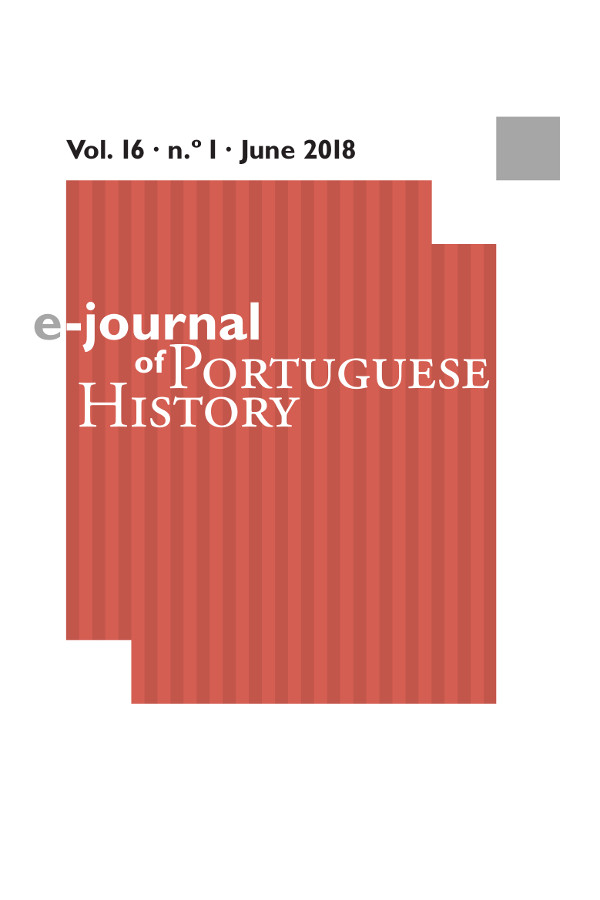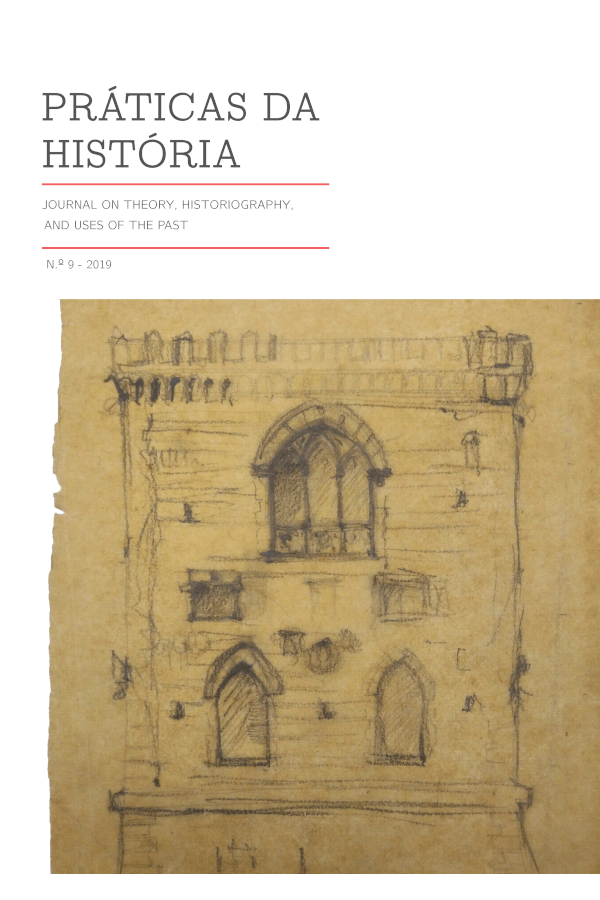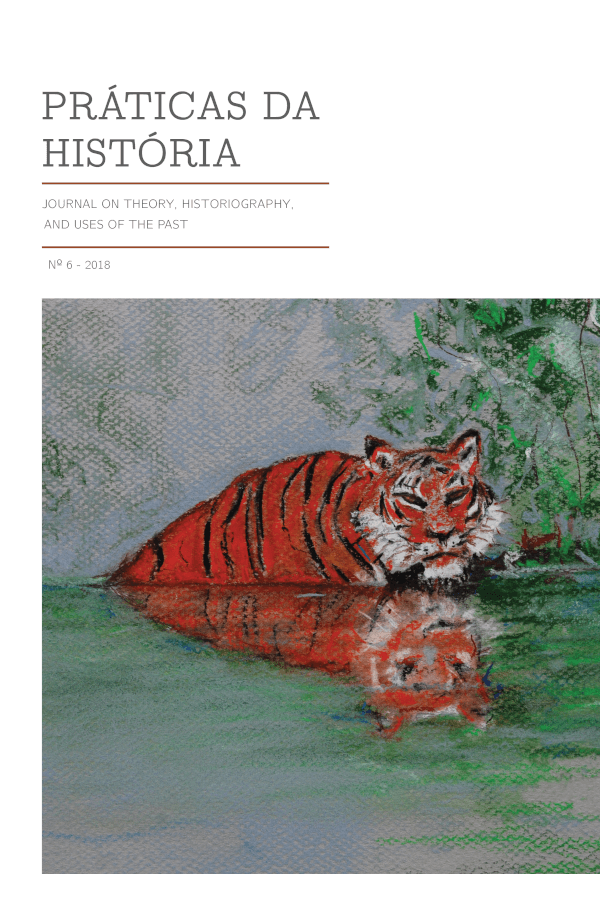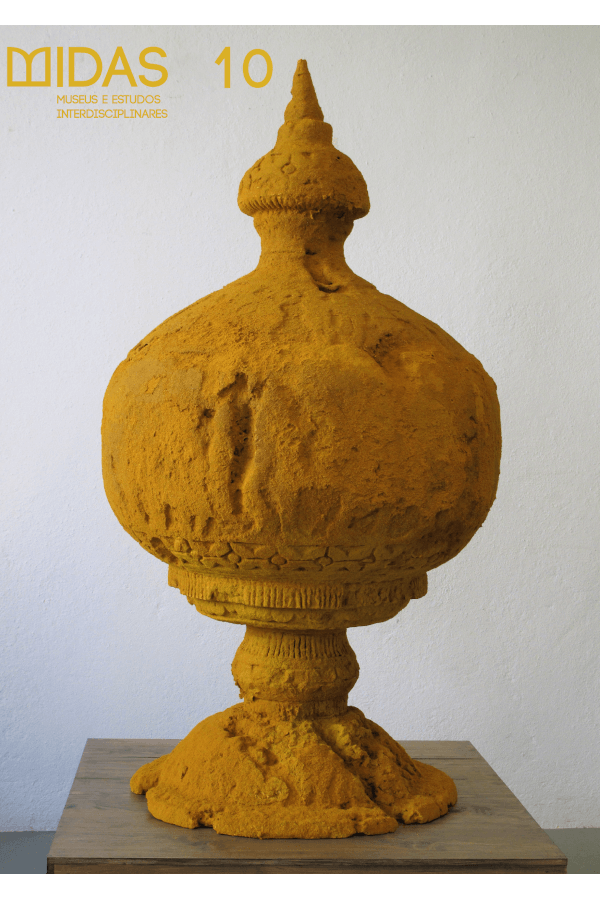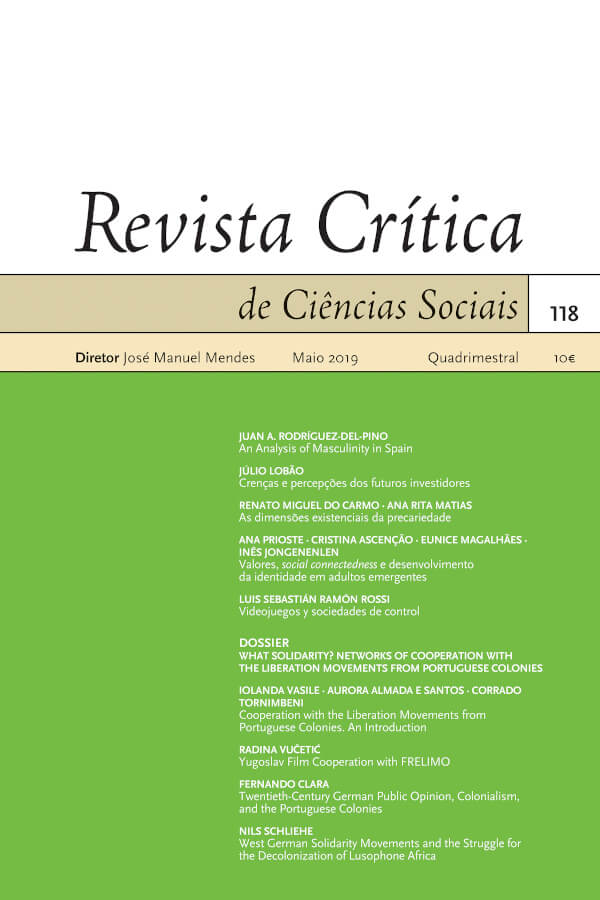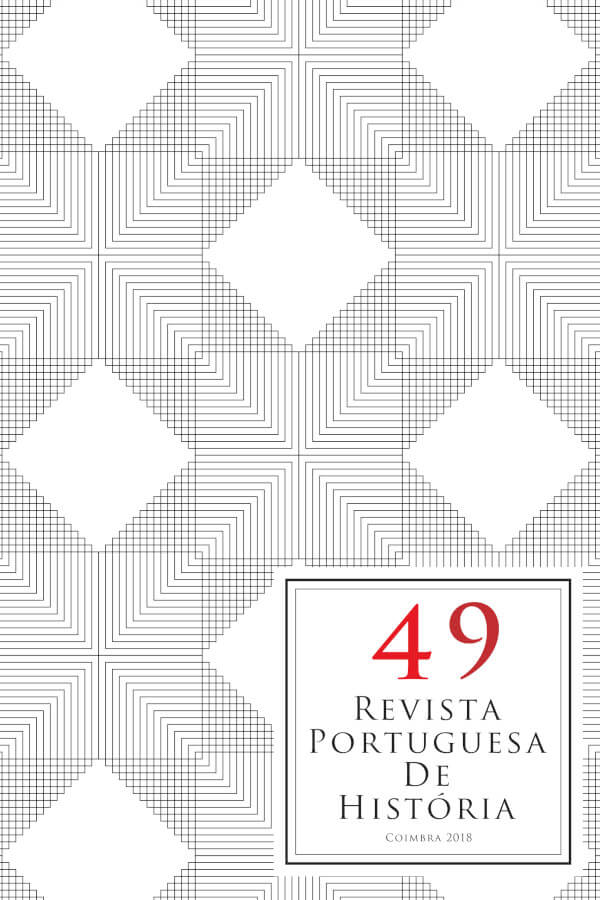
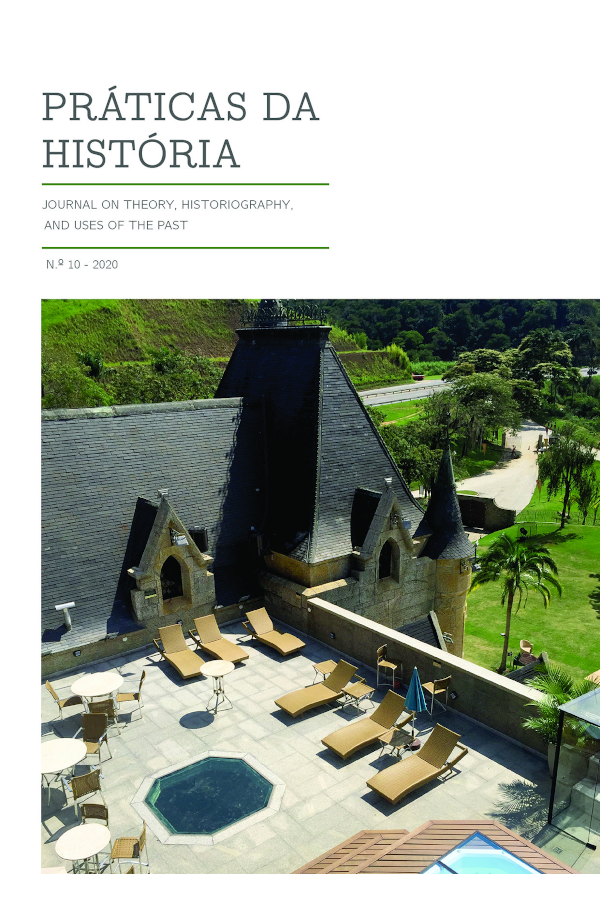
Práticas da História No. 10
Sep 18, 2020 | 2020, Editions, Práticas da História

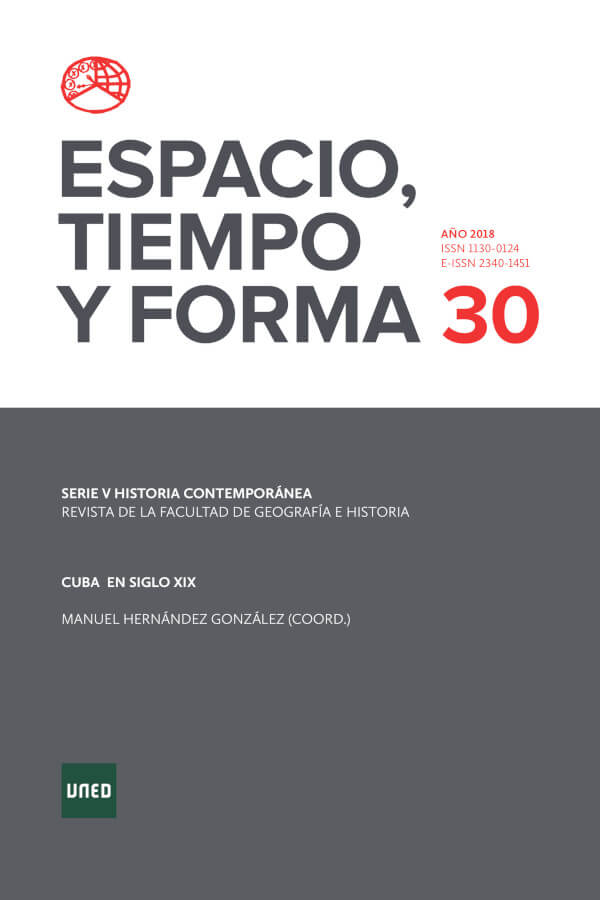
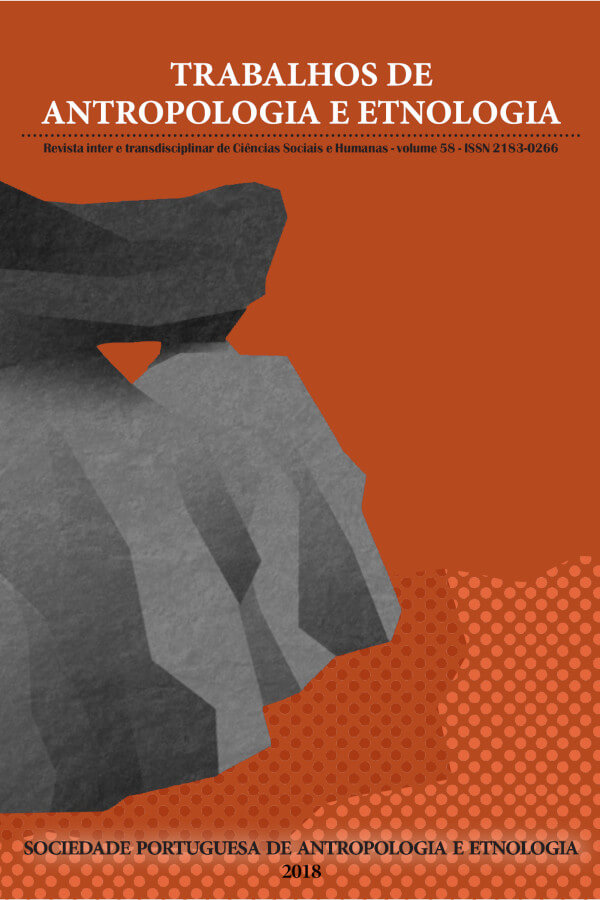
Práticas da História – Journal on Theory, Historiography and Uses of the Past
- 2020
- Issue 10
- ISSN: 2183-590X
- Special issue: Luso-tropical, Oriental, and Post-luso-tropical Medievalisms: Crossroads in the definition of the Portuguese Middle Ages as Brazil’s past — Edited by Pedro Martins and Maria de Lurdes Rosa
Excerpt from the Editorial:
Since its third issue (2016), the journal Práticas da História has devoted much attention to the question of the uses and representations of the Middle Ages – what several scholars have designated as medievalism. Prolific authors in this field such as Richard Utz, David Matthews, Valentin Groebner, Andrew B. R. Elliott and Tommaso di Carpegna Falconieri have used this publication to debate a host of topics related to medievalism, from the uses of the medieval past by European nationalisms to the relevance of the representations of the Middle Ages in so-called contemporary “popular culture”. However, the interest in medievalism is not merely a consequence of the thematic scope or personal preferences of the editors of this publication – in fact, it has been growing. Since its theoretical conception in the 1970s, studies on “medievalism” have raised a series of questions related not only to the problematization of the idea of the “Middle Ages”, but also to the diverse interpretations that have been made about this historical period since its conceptualization.
One of the questions that has received least attention, though recent academic works have been challenging this trend, is the relation between medievalism and colonial and post-colonial contexts. Authors such as John N. Ganim, Louise D’Arcens and Nadia Altschul have reflected on this relation, particularly regarding topics such as the proximity between medievalism and “orientalism” or the relevance of medievalism in post-colonial societies such as Australia and Latin American countries. This reflection has shown, among other aspects, the close-knit intersection between the evocation of the Middle Ages and the advance of European imperialism under the guise of allegedly ethical values, in fields where this framework sits awkwardly, such as the conquest, domination, and conversion of populations to the Christian faith. From the point of view of social sciences, the medievalist perspective has also brought important theoretical contributions: post-colonial studies were challenged on their simplistic views about the Middle Ages; “orientalism” was given a more ancient past and a more complex history; the study of the idea of race gained historical depth. Finally, in recent years, the study of the academic and cultural conception of the Middle Ages as a founding moment of the European past for nineteenth-century nations has developed in a no less interesting direction – how the colonies of these nations, and the countries born from them, also invented a medieval past, and through it refused their non-European, pre-colonial origins. Even if that past was not al-ways regarded positively – as was the case in certain Brazilian contexts –, only much more recently (and partially) did it begin to be interrogated as (another) imaginary past, allowing the integration of native peoples in the history of these countries.
Pedro Martins (IHC — NOVA FCSH) and Maria de Lurdes Rosa (IEM — NOVA FCSH)
Other publications
Search
Events
março, 2026
Tipologia do Evento:
Todos
Todos
Colloquium
Conference
Conference
Congress
Course
Cycle
Debate
Exhibition
Launch
Lecture
Meeting
Movie session
Open calls
Opening
Other
Presentation
Round table
Seminar
Showcase
Symposium
Tour
Workshop
- Event Name
seg
ter
qua
qui
sex
sab
dom
-
-
-
-
-
-
1
2
3
4
5
6
7
8
9
10
11
12
13
14
15
16
17
18
19
20
21
22
23
24
25
26
27
28
29
30
31

Detalhes do Evento
How do the machinery of war and political violence relate to the production of power relations and subjectivity that we generally refer to as authoritarianism? Wars, Violence, and Authoritarianism How
Ver mais
Detalhes do Evento
How do the machinery of war and political violence relate to the production of power relations and subjectivity that we generally refer to as authoritarianism?
Wars, Violence, and Authoritarianism
How do the machinery of war and political violence relate to the production of power relations and subjectivity that we generally refer to as authoritarianism? Professors Charalambos Minasidis (University of Yale) and Fernando Jiménez Herrera (Complutense University of Madrid) will share their reflections on this question, based on meticulous archival work that positions them as two of the leading experts on the Greek and Spanish dictatorships of the 20th century.

The workshop is part of the STEXEU project, coordinated by Arturo Zoffmann Rodriguez.
Programme:
11h-13h: From Discrimination to Genocide: Minorities as the “Enemy Within” during the Ottoman Long War, with Charalambos Minasidis (University of Yale)
16h-18h: Chekas, la violencia revolucionaria en el relato franquista sobre la guerra civil española, 1936-1977, with Fernando Jiménez Herrera (Complutense University of Madrid)
Tempo
(Terça-feira) 11:00 am - 6:00 pm
Organizador
Institute of Contemporary History — NOVA School of Social Sciences and Humanitiescomunicacao.ihc@fcsh.unl.pt Avenida de Berna, 26C - 1069-061 Lisbon

Detalhes do Evento
Round table discussion on clandestine meetings that took place in Lisbon during the Estado Novo regime and the underground currents that ran through the city dominated by the regime's dull
Ver mais
Detalhes do Evento
Round table discussion on clandestine meetings that took place in Lisbon during the Estado Novo regime and the underground currents that ran through the city dominated by the regime’s dull character — part of the cycle Lisbon, Capital of International Intrigue.
Encontros clandestinos na capital da espionagem:
As relações luso-alemãs em Lisboa entre as décadas de 1940 e 1970
Que encontros clandestinos ocorreram em Lisboa, capital da espionagem entre a Segunda Guerra Mundial até aos tempos de Guerra Fria? Que correntes subterrâneas atravessaram a cidade dominada pelo carácter baço do regime de Salazar, em diferentes domínios?
É sobre estes temas, mais ou menos secretos, mais ou menos clandestinos ou subterrâneos, que nos propomos conversar na Biblioteca do Goethe Institut, no próximo dia 10 de Março, pelas 18h30, numa sessão conduzida por Manuela Ribeiro Sanches. Fernando Clara começará por nos falar das tempestades que assolaram Lisboa em Maio de 1945, bem como das missas que foram mandadas rezar pelas almas dos dois ditadores depostos, ao mesmo tempo que se celebrava a vitória dos Aliados. Vera San Payo de Lemos lembrará a censura do teatro de Brecht e o boom subsequente das suas peças nos palcos da capital da espionagem depois do 25 de Abril. Jürgen Bock evocará a visita à Caparica de Hubert Fichte na década de 1960, escritor a quem a partilha do mundo clandestino da homossexualidade permitiu um acesso único ao Portugal dessa época.
ENTRADA LIVRE
Esta conversa será complementada, às 21h30, na Cinemateca Portuguesa, com a exibição do mais antigo thriller alemão rodado em Lisboa, Der weiße Dämon (1932), junto com um breve documentário da altura sobre esta produção, intitulado A UFA em Lisboa, parte do ciclo de cinema Lisboa, Capital da Intriga Internacional.
>> Consulte o programa completo do ciclo AQUI (PDF)
[Os horários das projecções podem sofrer alterações. Confirme sempre no site da Cinemateca]
O ciclo Lisboa, Capital da Intriga Internacional resulta de uma colaboração entre a Cinemateca Portuguesa, o Instituto de História Contemporânea (IHC) e o projecto ExPORT (baseado no Instituto de Ciências Sociais da Universidade de Lisboa), com apoio da Fundação Luso-Americana para o Desenvolvimento, do Istituto Italiano di Cultura di Lisbona, do Institut français du Portugal, do Instituto Cervantes de Lisboa e da Faculdade de Ciências Sociais e Humanas da Universidade NOVA de Lisboa.
Tempo
(Terça-feira) 6:30 pm - 8:00 pm
Organizador
Institut of Contemporary History — NOVA School of Social Sciences and Humanities and the Goethe Institut
News
VINCULUM — An end and a new beginning
Feb 24, 2026
FCSH hosted the closing session of the VINCULUM project
In March, Lisbon becomes the Capital of International Intrigue
Feb 21, 2026
Between 2 and 31 March, at the Portuguese Cinematheque
Anita Buhin is on a research mission in Italy
Feb 20, 2026
She is now a Visiting Researcher at CAST, University of Bologna
CONTACTS
WORKING HOURS