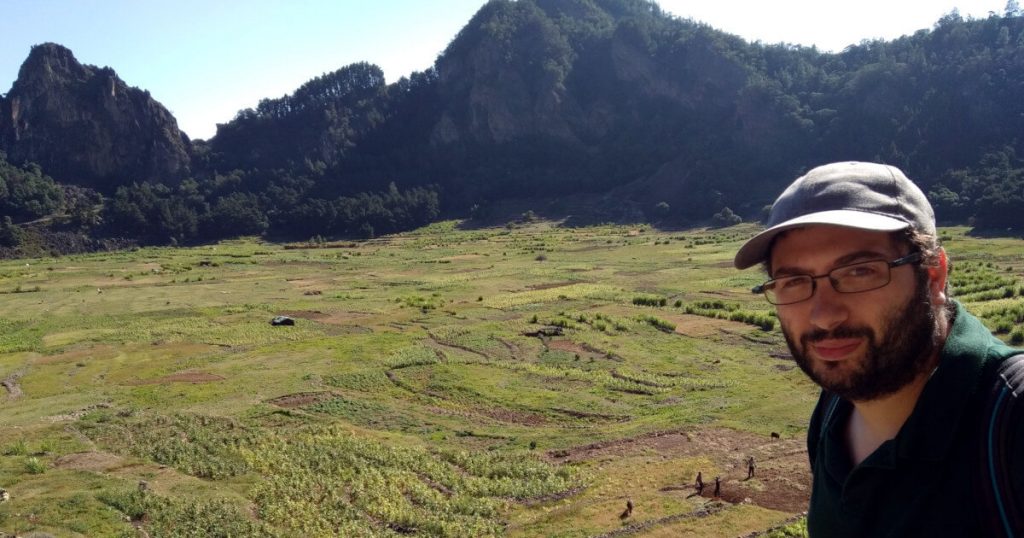
As the project “Amílcar Cabral: da História Política às Políticas da Memória” [Amílcar Cabral, from Political History to Politics of Memory] approaches its end, the team has been holding a series of meetings about the historiography of Amílcar Cabral. Following a series of initiatives in Guinea-Bissau in May this year, they went to Cape Verde in November for a series of events, in which, in addition to coordinator Rui Lopes, participated the researchers Aurora Almada e Santos, Branwen Gruffydd Jones, Catarina Laranjeiro, and Víctor Barros.
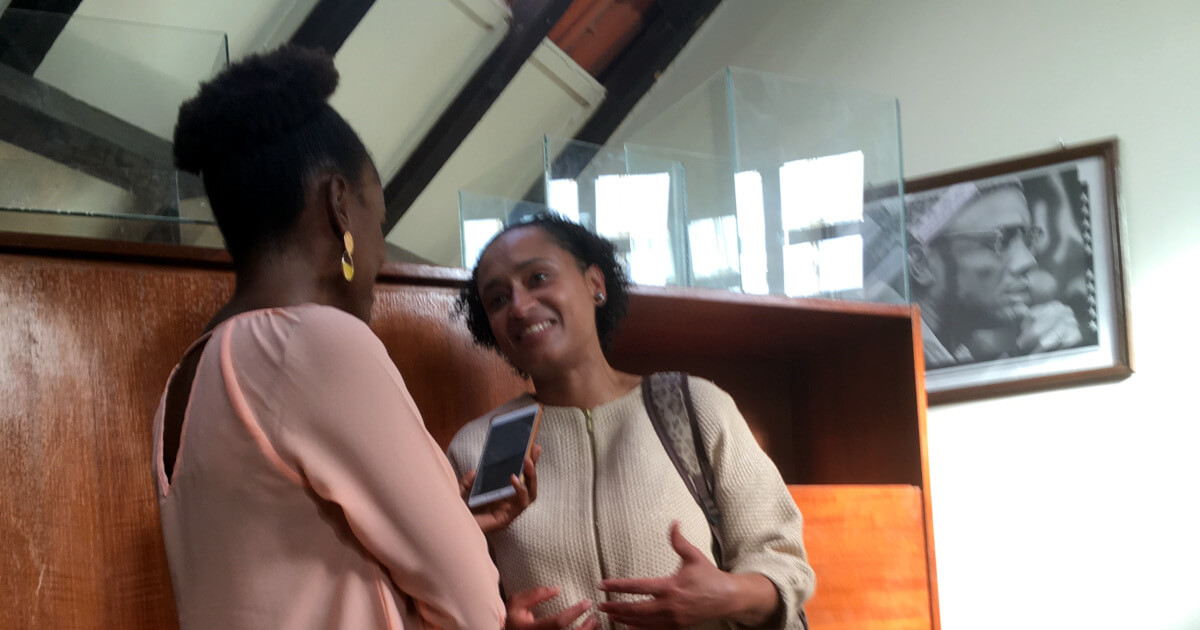
On 21 November, the day began with a teeming workshop for teachers at Armando Napoleão Fernandes High School in Assomada (Santiago Island), where Aurora Santos and Víctor Barros discussed the History syllabus in Cape Verde. The teachers’ participation was intense, including a productive conversation about Guinea-Bissau’s relative absence in the Cape Verdean national narrative. That afternoon, a round table discussion took place at the Amílcar Cabral Foundation in Praia, entitled “Novas dimensões no estudo da luta pela independência da Guiné-Bissau e Cabo Verde” [New dimensions in the study of the struggle for independence of Guinea-Bissau and Cape Verde], where the project team presented their latest research results. The meeting, introduced by the foundation’s president, Pedro Pires, received press attention, resulting in reports broadcasted on Cape Verde Television (with an interview of Aurora Santos) and on Cape Verde Radio (with an interview of Rui Lopes).
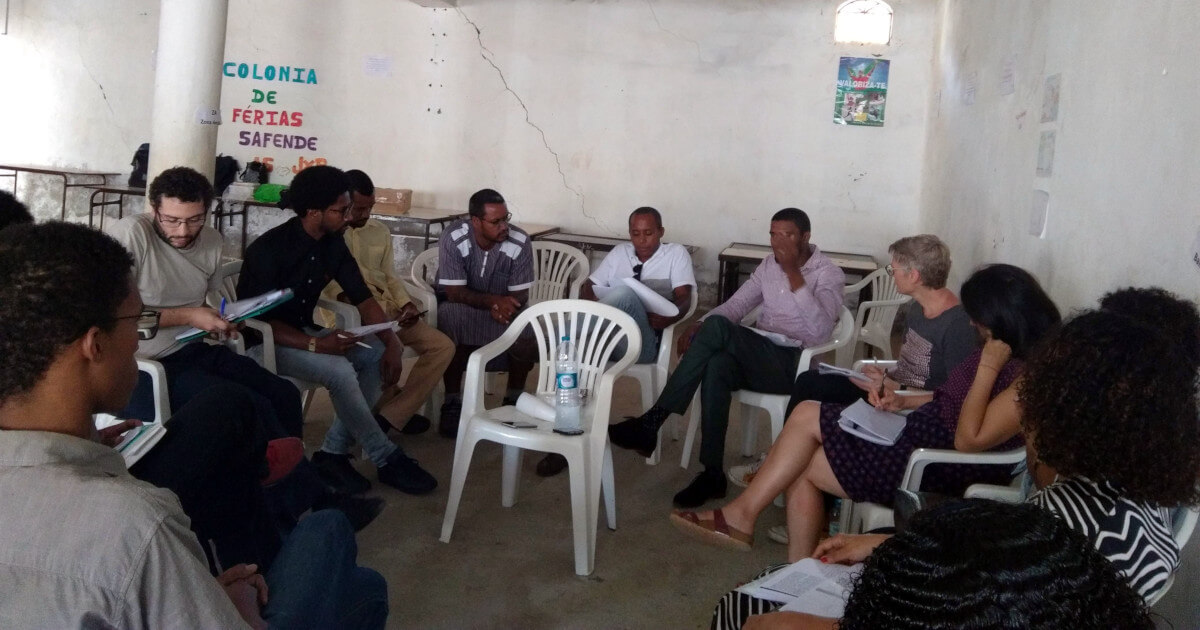
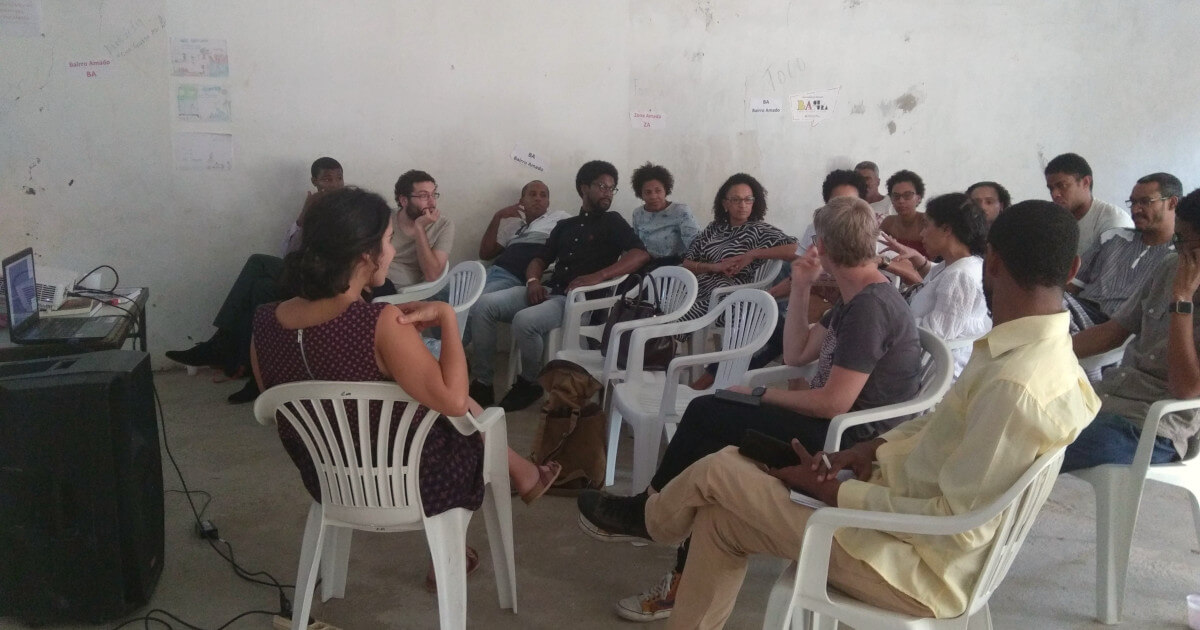
Moving from the center of the capital to its periphery, on 23 November the team held two events in the neighborhood of Safende, in collaboration with the Associação Comunitária Amigos de Safende. In the morning, there was a seminar about Amílcar Cabral’s writing “Analysis of Some Types of Resistance“, which was attended by enthusiastic local academics and activists. In the afternoon, there was a screening of the film “Return of Amílcar Cabral” (1976), with comments by Catarina Laranjeiro, followed by a long conversation with the audience, where the plurality and complexity of Cabral’s memory in Cape Verde was manifest.
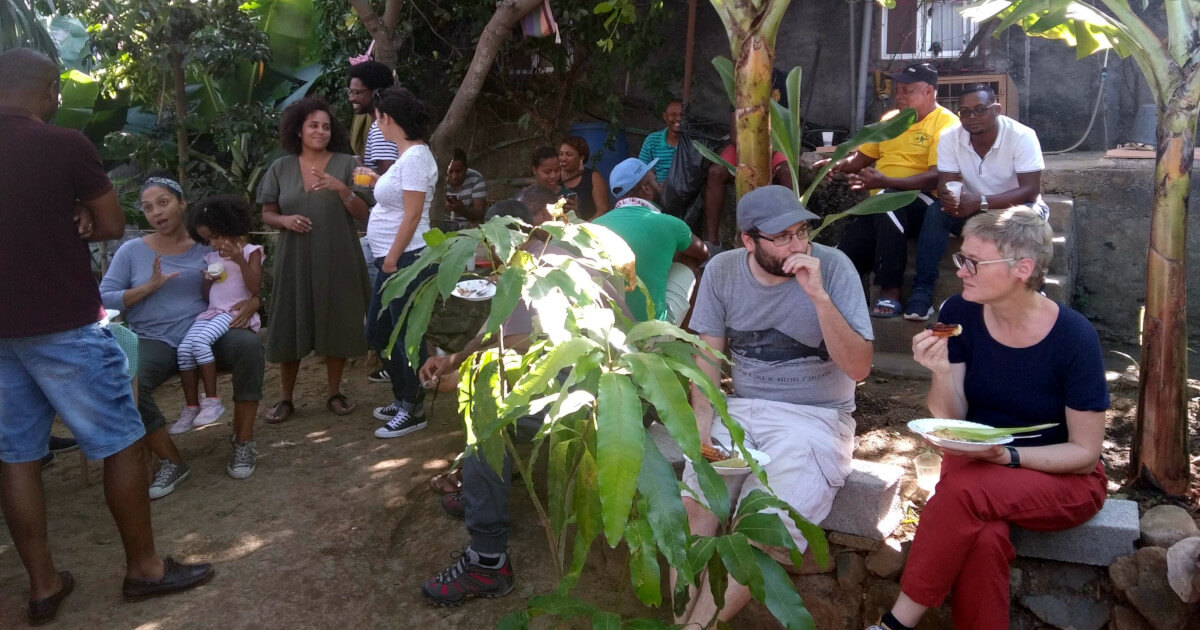
In addition to taking the opportunity to explore the archives of the Amílcar Cabral Foundation (which has generously exchanged books with the IHC) and interviewing participants of the liberation struggle and the spread of Cabral’s work, the project members enjoyed the local hospitality, delicious cuisine and cultural richness (coincidentally, the Festival Internacional de Cinema da Praia was taking place), and were especially grateful for the availability and efficiency of the co-organizers of the events, in particular Osvaldino Monteiro, Tatiana Neves, Bernardino Gonçalves and Redy Wilson Lima. According to Rui Lopes, they “returned confident that there is still much to study and discuss regarding this aspect of Cape Verde’s historical memory”.
Other news
-
 The exhibition will open on 29 September at FCSH
 -
 25 September, 1.º de Maio Square, from 5 to 10PM
 -
 Rui Lopes is the new President of the Board of Directors