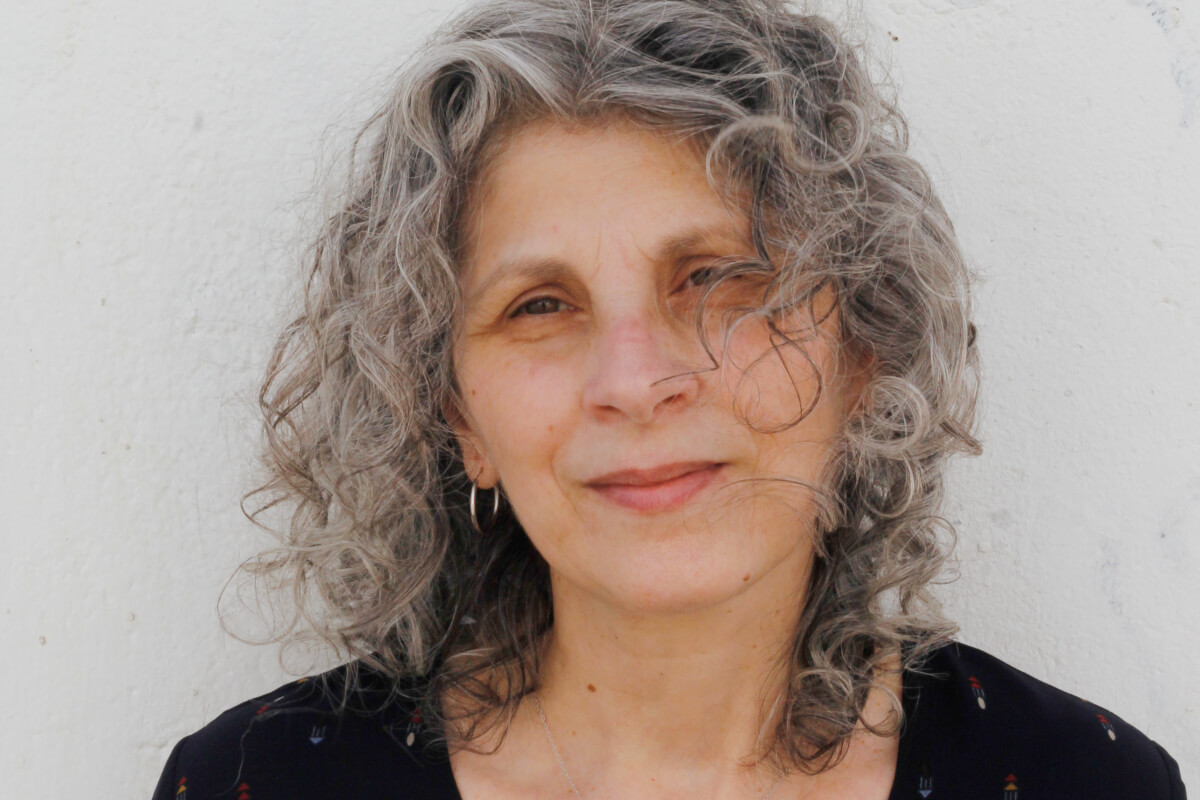
Ana Paula Figueira

Biography
Ana Paula M. P. Figueira has a PhD in Business Management (Marketing). She completed her post-doctorate at the Centre of Geographical Studies (IGOT/University of Lisbon) in 2011. She is a Coordinating Professor at the Polytechnic Institute of Beja. She is a member of the A3ES list of experts for the assessment and accreditation of higher education courses in Tourism (Polytechnic). She was Pro-President for Planning, Marketing and Communication at the Polytechnic Institute of Beja (2017-2021).
She is vice-chair of the Chair in Ethnobotany and the Safeguarding of Plant Heritage, established by UNESCO at the Polytechnic Institute of Beja in January 2023. She coordinates the project “Cante de Improviso com Viola Campaniça” [Improvised Singing with Viola Campaniça], and has authored the first booklet to publicise this traditional instrument from the Baixo Alentejo, associated with the life and work of the musician Pedro Mestre.
She regularly writes opinion pieces in two regional newspapers. As well as technical books, she has published several works of fiction. Her areas of interest focus on marketing applied to tourism and the territory, as well as culture and heritage, particularly the relationship between tradition (popular cultures) and modernity, and the territorialisation of cultural public policies in plural ecosystems, with a view to finding solutions that promote cohesion, both in terms of proximity and in terms of involvement and coordination with the stakeholders.
Research fields
- Strategic planning, marketing, and territorial governance
- Tourism marketing
- Environment, culture, and heritage
- Cultural public policies
Selected publications
- Carvalho, Luís et al.. “Fig tree (Ficus carica L.) art in the Azores (Portugal).” Ethnobotany Research and Applications 26 (2023): 1-6. [link] 🔓
- Carvalho, Luís et al.. “Women and violets in France (1800-1920) – a visual journey.” Ethnobotany Research and Applications 26 (2023): 1-22. [link] 🔓
- Figueira, Ana Paula. Governança Territorial em Rede. Medição da notoriedade e avaliação do desempenho de uma parceria interorganizacional. Parede: Princípia Editora, 2013.
- Figueira, Ana Paula. Marketing Territorial. Uma Nova Dimensão do Marketing. Estarreja: Mel Editores, 2011. [link]
Main projects
- Coordinator of the project “Cante de Improviso com Viola Campaniça” [Improvised Singing with Viola Campaniça] — Hosted by the Polytechnic Institute of Beja in the framework of the UNESCO Chair in Ethnobotany and the Safeguarding of Plant Heritage. [link]

Search
Events
janeiro, 2026
Tipologia do Evento:
Todos
Todos
Colloquium
Conference
Conference
Congress
Course
Cycle
Debate
Exhibition
Launch
Lecture
Meeting
Movie session
Open calls
Opening
Other
Presentation
Round table
Seminar
Showcase
Symposium
Tour
Workshop
- Event Name
seg
ter
qua
qui
sex
sab
dom
-
-
-
1
2
3
4
5
6
7
8
9
10
11
12
13
14
15
16
17
18
19
20
21
22
23
24
25
26
27
28
29
30
31

Detalhes do Evento
Continuing the celebration of the centenary of Frantz Fanon’s birth, this cycle proposes to reflect on his multiple legacies, from the anti-racist struggle to decolonisation movements, as well as his
Ver mais
Detalhes do Evento
Continuing the celebration of the centenary of Frantz Fanon’s birth, this cycle proposes to reflect on his multiple legacies, from the anti-racist struggle to decolonisation movements, as well as his work as a psychiatrist.
Frantz Fanon | Ciclo de Cinema 2026
Dando continuidade à celebração do centenário do nascimento de Frantz Fanon, este ciclo propõe reflectir sobre os seus múltiplos legados, desde a luta anti-racista aos movimentos de descolonização, passando ainda pela sua actividade como psiquiatra – intimamente entrelaçada com as duas outras vertentes. Já na sua primeira obra Pele negra, máscaras brancas (1952), o cinema ocupa um espaço marginal mas não menos decisivo no que diz respeito a questões de representação, tendo um lugar central nas terapias alternativas que Fanon viria a introduzir no Hospital Psiquiátrico de Blida-Joinville, na Argélia, enquanto Médico-chefe de serviço entre 1953 e 1956. A leitura de Fanon revela-se fundamental não só para a compreensão do contexto histórico em que surgiu, com as suas ramificações entre os movimentos de libertação e as causas do chamado Terceiro Mundo nas décadas de 1960 e 1970, mas sobretudo na luta pelos direitos de grupos racializados. Todas estas questões voltam a ecoar no século XXI, quer em movimentos sociais que reivindicam uma cidadania efectivamente igualitária, quer na discussão sobre a urgência da descolonização dos saberes e das instituições. Como ler Fanon, hoje, a partir de Portugal? Qual o papel das instituições e dos diferentes movimentos na sua recepção? Qual a relevância da sua obra para a nossa contemporaneidade, tendo em conta a complexidade das suas diferentes vertentes – anti-colonial, anti-racista, terapêutica – e a reivindicação para se “sair da grande noite” do colonialismo?
À projecção dos filmes segue-se uma conversa com convidados/as e debate.
As sessões 1 a 4 decorrem na Casa do Comum; a sessão 5 decorre no Cinema Fernando Lopes.
Os filmes são legendados em inglês.
Organização: Manuela Ribeiro Sanches, Miguel Ribeiro e Sofia Victorino, com o IHC —NOVA FCSH
>> Descarregar o programa do ciclo (PDF) <<
Sessão 3 | Sábado, 31 Janeiro, 16:00
Burn!, Gillo Pontecorvo, Itália, França, 1969, 112’
Descrito como uma epopeia luxuriante “contada de um ponto de vista neo-marxista e fanoniano”, o filme de Pontecorvo que sucede a A Batalha de Argel (1966) é um drama anti-colonial situado no século XIX. Marlon Brando interpreta William Walker, um agente provocador enviado pelo governo britânico para fomentar a mudança de regime na ilha caribenha fictícia de Queimada. Walker é um mercenário ao serviço do imperialismo europeu que acaba envolvido num confronto direto com um revolucionário negro chamado José Dolores (interpretado pelo actor não profissional Evaristo Márquez). Com as suas imagens intensas e saturadas de cor, acompanhadas pela música de Ennio Morricone, Queimada! oferece uma visão contundente de uma rebelião de escravos que constitui uma ameaça existencial ao sistema colonial-capitalista.
Conversa com Rui Lopes e Rebeca Ávila
Fotografia: Frantz Fanon numa conferência de imprensa durante um congresso de escritores em Tunes, 1959 (Frantz Fanon Archives / IMEC)
Tempo
(Sábado) 4:00 pm - 6:30 pm
Organizador
Institute of Contemporary History — NOVA School of Social Sciences and Humanities and Casa do Comum
News
Ana Cristina Martins at the International Academy of Portuguese Culture
Jan 26, 2026
Will take office as a Full Member
Proença-a-Nova is the first partner in the ‘The Government of Us All’ programme
Jan 23, 2026
The city took up the challenge launched by the IHC last year
IHC hosts eleven new permanent contracts
Jan 21, 2026
IHC’s efforts to consolidate scientific careers