Créditos
Imagens do site
HOMEPAGE – IMAGEM 1
Autor desconhecido, “Campanha de Humberto Delgado às Eleições Presidenciais de 1958”, Maio de 1958. Fotografia, preto e branco, 11,9 x 18,1 cm. CasaComum.org, Disponível HTTP: http://hdl.handle.net/11002/fms_dc_49170 (2017-7-28). Documentos Abel Salazar / Casa Museu Abel Salazar. [link]
HOMEPAGE – IMAGEM 2
Joshua Benoliel (1873-1932), Afonso Costa no grupo dos portadores do protesto republicano às Cortes, Junho de 1906. Negativo de gelatina e prata em vidro, 9 x 12 cm. Arquivo Municipal de Lisboa. Código de referência: PT/AMLSB/CMLSBAH/PCSP/004/JBN/001421.
HOMEPAGE – IMAGEM 3 / CRÉDITOS
Nuno Mendonça, “Primeiro de Maio de 1974: Mário Soares e Álvaro Cunhal, no meio da multidão”, 1 de Maio de 1974. Fotografia, preto e branco. CasaComum.org, Disponível HTTP: http://hdl.handle.net/11002/fms_dc_114590 (2017-7-28). Arquivo Mário Soares / Fundação Mário Soares. [link]
HOMEPAGE – IMAGEM 4
José Maria da Costa Neves. “Planta da cidade de Lisboa, ca 1860”, ca 1860. Litografia, preto e branco, 35,30 x 57,90 cm. Biblioteca Nacional de Portugal.
HOMEPAGE – IMAGEM 5
Mário Varela Gomes, “População e militares durante o cerco ao Quartel do Carmo”, 25 de Abril de 1974. Fotografia, preto e branco. CasaComum.org, Disponível HTTP: http://hdl.handle.net/11002/fms_dc_151075 (2017-7-28). Fundação Mário Soares. [link]
HOMEPAGE – IMAGEM 6
Júlio Santos. “Revolução de 5 de Outubro de 1910 – Acampamento das forças revolucionárias junto ao Quartel de Artilharia”, 1911. Typ. Anuário Comercial, Lisboa. Postal, azul, 9 x 14 cm. Biblioteca Nacional de Portugal.
PORQUÊ O IHC
Bernhard Stärck, Arco da Rua Augusta em Lisboa, 2016. Fotografia, cor. Pixabay [link]
MISSÃO
Joshua Benoliel (1873-1932), A revolução republicana, José Relvas proclama a República da varanda da Câmara Municipal, 5 de Outubro de 1910. Negativo de gelatina e prata em vidro, 9 x 12 cm. Arquivo Municipal de Lisboa. Código de referência: PT/AMLSB/CMLSBAH/PCSP/004/JBN/000484.
ORGANIZAÇÃO
Autor desconhecido. “A leitura da proclamação da República na sessão inaugural das Constituintes”, 9 de Junho de 1911. Postal, preto e branco, 9 x 14 cm. Biblioteca Nacional de Portugal.
INVESTIGADORES
Menezes Ferreira (1889-1936). “Um orfeon de recrutas”, 1912. Postal, cor, 9,5 x 14,5 cm. Lisboa: Papelaria e Tipografia Guedes. Biblioteca Nacional de Portugal.
CONTACTOS
Peter Häll. “Aparelho de telefone Ericsson”. Fotografia, cor. Tekniska Museet / Digitalt Museum. Referência: TEKS0004054. Attribution (CC BY) [link]
DOCUMENTAÇÃO
Madre de Deus, Faustino José da (1773-1833), coment. aud. “Constituição, 1822”, 1823. Lisboa: Typografia Maigrense. Biblioteca Nacional de Portugal.
DOSSIER DE IMPRENSA
Raphael Bordallo Pinheiro (1846-1905), “Quarta Feira de Cinzas”, 1883. Páginas de “Parodia: Comedia portugueza” (N.º 7, 25 de Fevereiro de 1903, pp. 4-5). Hemeroteca Municipal de Lisboa.
GRUPOS DE INVESTIGAÇÃO
GRUPO HISTÓRIA POLÍTICA COMPARADA
Autor desconhecido. Manifestação popular em Lisboa de regozijo pelo fim da II Guerra Mundial, 8 de Maio de 1945. Fotografia, preto e branco.
GRUPO ECONOMIA e SOCIEDADE
Fábrica têxtil em Portugal. Fotografias das Actividades do Plano Marshall na Europa e África ca. 1948 – ca. 1989. Arquivos Nacionais dos EUA em College Park [link]
GRUPO CIÊNCIA: ESTUDOS DE HISTÓRIA, FILOSOFIA E CULTURA CIENTÍFICA
Como Arnaldo Ressano viu os sabios do Congresso de Zoologia. Página de “O Notícias Ilustrado” – Edição Semanal do Diário de Notícias, 29 de Setembro de 1935 (Ano VIII, Série II, Nº 381). Arquivo do Museu Nacional de História Natural e da Ciência.
GRUPO HISTÓRIA, TERRITÓRIO E AMBIENTE
Raphael Bordallo Pinheiro (1846-1905), “A Ponte”, 1883. Páginas de “O António Maria” (N.º 207, 17 de Maio de 1883, pp. 156-157). Hemeroteca Municipal de Lisboa.
GRUPO CULTURA, IDENTIDADES E PODER
Autor desconhecido, Cinema São Jorge, sem data. Fotografia, preto e branco, 11,6 x 16,5 cm. CasaComum.org, Disponível HTTP: http://hdl.handle.net/11002/fms_dc_123006 (2017-7-27). Documentos Mário e Alice Chicó – Sílvia Chicó / Fundação Mário Soares. [link]
LINHAS TEMÁTICAS
LINHA HISTÓRIAS CONECTADAS
Arquivo O Século, “Repressão sobre mulheres grevistas”, 28 de Julho de 1943. CasaComum.org, Disponível HTTP: http://hdl.handle.net/11002/fms_dc_114905 (2017-7-28). Arquivo Mário Soares / Fundação Mário Soares. [link]
LINHA COLONIALISMO, ANTI-COLONIALISMO E PÓS-COLONIALISMO
Autor desconhecido. “Guerra Colonial: tropas coloniais no Cais da Rocha do Conde d’Óbidos”, sem data. CasaComum.org, Disponível HTTP: http://hdl.handle.net/11002/fms_dc_114823 (2017-7-28). Arquivo Mário Soares / Fundação Mário Soares. [link]
LINHA MUNDOS PRECÁRIOS E SUSTENTABILIDADE
Autor desconhecido, “Ceifeiras no Alentejo“, 1969. CasaComum.org, Disponível HTTP: http://hdl.handle.net/11002/fms_dc_114423 (2018-7-17). Arquivo Mário Soares / Fundação Mário Soares. [link]
LINHA MEDIAÇÕES MODERNAS
Autor desconhecido. “Malangatana durante as filmagens de “Ao menos deixem-me subir às palmeiras”“, sem data. CasaComum.org, Disponível HTTP: http://hdl.handle.net/11002/fms_dc_116369 (2018-7-17). DMT – Documentos Malangatana / Fundação Mário Soares. [link]
LINHA USOS DO PASSADO
Rosa Cabecinhas e Alcino Cunha, “Carnaval de Podence, Portugal”, 2009. Fotografia, cores. Flickr. CC BY-SA 2.0. [link]
PROJECTOS
Autor desconhecido. Prática desportiva com atletas do Clube Internacional de Foot-Ball (C.I.F.), sem data. Arquivo Histórico do Comité Olímpico de Portugal. Referência: PT/COP/FOT/P/0001/00003.
PRÉMIOS
Autor desconhecido, Abertura dos XIV Jogos Olímpicos em Londres, 1948. Daily Herald Archive. Fonte: Flickr – National Science and Media Museum. [link]
PUBLICAÇÕES
Joshua Benoliel (1873-1932), Teófilo Braga no seu gabinete de trabalho, 1910. Negativo de gelatina e prata em vidro, 9 x 12 cm. Arquivo Municipal de Lisboa. Código de referência: PT/AMLSB/CMLSBAH/PCSP/004/JBN/002300.
EDIÇÕES
Oliveira Martins, J.P. Portugal contemporaneo – 3ª Edição (posthuma). Lisboa: Livraria de Antonio Maria Pereira, 1895. Biblioteca Nacional de Portugal.
FORMAÇÃO
Joshua Benoliel (1873-1932), Crianças da colónia balnear, 1912. Negativo de gelatina e prata em vidro, 9 x 12 cm. Arquivo Municipal de Lisboa. Código de referência: PT/AMLSB/CMLSBAH/PCSP/004/JBN/001463.
SOCIEDADE
FraLiss, Grafito do ícone da Revolução dos Cravos de 1974, Fernando José Salgueiro Maia, numa parede de Lisboa para comemorar o 40º aniversário deste evento, 2014. Fotografia, cor. Wikimedia Commons. CC BY-SA 3.0. [link]
NOTÍCIAS
Joshua Benoliel (1873-1932), Descarrilamento de um eléctrico que embateu contra o nº 81 da rua da Misericórdia, 3 de Março de 1910. Negativo de gelatina e prata em vidro, 9 x 12 cm. Arquivo Municipal de Lisboa. Código de referência: PT/AMLSB/CMLSBAH/PCSP/004/JBN/002139.
OPORTUNIDADES
Joshua Benoliel (1873-1932), Corrida de automóveis e motocicletas em rampa, da Ponte Nova à Cruz das Oliveiras, 10 de Julho de 1910. Negativo de gelatina e prata em vidro, 9 x 12 cm. Arquivo Municipal de Lisboa. Código de referência: PT/AMLSB/CMLSBAH/PCSP/004/JBN/001678.
AGENDA
Joshua Benoliel (1873-1932), Carnaval em Lisboa, 1911. Negativo de gelatina e prata em vidro, 9 x 12 cm. Arquivo Municipal de Lisboa. Código de referência: PT/AMLSB/CMLSBAH/PCSP/004/JBN/002038.
RECURSOS
Autor desconhecido. Capa da “Ilustração Portuguesa” (2ª Série, N.º 11, 7 de Maio de 1906). Hemeroteca Municipal de Lisboa.
Pesquisa
Agenda
junho, 2026
Tipologia do Evento:
Todos
Todos
Apresentação
Ciclo
Colóquio
Conferência
Congresso
Curso
Debate
Encontro
Exposição
Inauguração
Jornadas
Lançamento
Mesa-redonda
Mostra
Open calls
Outros
Palestra
Roteiro
Seminário
Sessão de cinema
Simpósio
Workshop
- Event Name
seg
ter
qua
qui
sex
sab
dom
1
2
3
4
5
6
7
8
9
10
11
12
13
14
15
16
17
18
19
20
21
22
23
24
25
26
27
28
29
30
Detalhes do Evento
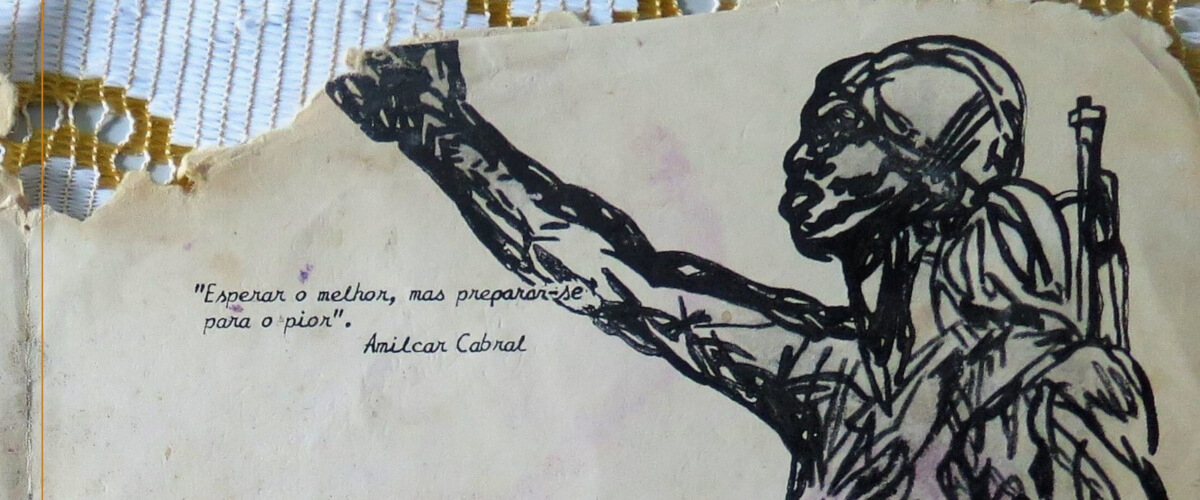
Conferência sobre as alterações nas vidas dos movimentos de independência, que visa explorar a evolução e transformação das lutas anticoloniais e anti-imperialistas. Prazo: 13 Fevereiro 2026 The Alter-lives of
Ver mais
Detalhes do Evento
Conferência sobre as alterações nas vidas dos movimentos de independência, que visa explorar a evolução e transformação das lutas anticoloniais e anti-imperialistas. Prazo: 13 Fevereiro 2026
The Alter-lives of Independence Movements:
Frustrated Hopes, Renewed Utopias
Decades after formal decolonisation, anti-colonialism and anti-imperialism have remained a wellspring of inspiration and contestation. Studies about anticolonial thought, the 1955 Bandung Conference, and transcontinental solidarity movements have proliferated in academia and activist networks, providing the basis of theories and practices of resistance in contemporary times. Nevertheless, the ideas and the movements they inspired did not perish with the epoch that produced them. They evolved and acquired alternative lives in the period of nation-building and world-making, whether in extended or distorted forms. On the one hand, there were local and transnational efforts to sustain and enrich the revolutionary impulse through embracing the anticolonial spirit in various areas such as development, education, and diplomacy. As international institutions such as the UN welcome additional member states, Europeans and non-Europeans travelled to decolonised states like Algeria and Angola to learn and further cultivate ideas in building new societies. On the other hand, some dominant groups that took over the independent states capitalised on the anti-colonial pride to justify authoritarian and anti-democratic rule. Their utopian visions led to the systematic oppression of opposing forces and reproduced the hierarchical international state model. The fear of neocolonialism and disillusionment propelled both the former coloniser and colonised to reorganise their strategies and desires in the face of an emerging world order.
This two-day conference on the alter-lives of independence movements explores the evolution and transformation of anti-colonial and anti-imperial struggles. It focuses on the events and reflections about the early years of independence, a period of turbulent transition from colonial domination to self-governing nation-states, and of tumultuous beginnings of a new international order. We introduce the concept “alter-lives” to denote the process of altering imaginaries and practices that emerged during the colonial period in responding to uncertain futures, including the political uses of anticolonial memories and/or histories. It also refers to alternative relations forged between and among the former colonisers and colonised after independence. Thus, using “alter-lives” as a conceptual ground, this conference engages in the following questions: first, how have anticolonial thinking and practices evolved domestically and transnationally? Second, what were the structural and agential forces behind these evolutions? Third, how were anticolonial memories and histories politicised to achieve certain ends? Fourth, what difficulties did these agents face in realising their envisioned future? Lastly, how have alterations and alternatives affirmed and/or challenged the revolutionary ideas of the independence struggles?
Call for papers
We welcome theoretical and praxis-oriented proposals to gather scholars, activists, and artists from various disciplinary backgrounds and acquire a broad comparative perspective. Possible
areas include, but are not limited to:
- Transnational solidarities and resistance, such as North-South and South-South cooperation
- Nation-building
- Anticolonial thought and figures
- Diplomacy and international affairs
- Pedagogy and knowledge transmission
- Literary and artistic representations, such as documentaries, films, and novels
- Rhetorics of failure, frustrated political projects
Please submit your abstract (300 words max.) by 13 February 2026 to jiw.hopesandfears@gmail.com.
Decisions will be communicated by the first week of March 2026.
>> Download the call for papers (PDF) <<
This event is organised as part of the Joint International Workshop “Hopes and Fears. Anti-colonial and Postcolonial Imaginaries in the Lusotopy and Beyond”, that gathers the Institute of Contemporary History — NOVA University Lisbon / University of Évora, the University of São Paulo, and the Pontifical Catholic University of Rio Grande do Sul.

Tempo
junho 25 (Quinta-feira) - 27 (Sábado)
Localização
Lisboa
Organizador
Instituto de História Contemporânea — NOVA FCSH, Universidade de São Paulo e a Pontifícia Universidade Católica do Rio Grande do Sul
Notícias
Marta Pinto Machado em dose dupla em Lisboa: MNAC e CCCV
Mai 14, 2026
A exposição “Ceci n’est Pas Francisco” está patente no MNAC e vai-se estender ao CCCV
Ainda há VINCULUM na Madeira
Mai 12, 2026
O “Tombo I da Igreja de Machico” vai ser o mote para uma série de eventos culturais
Nuno Silas expõe no MUHNAC
Abr 29, 2026
É um dos curadores da exposição “Olhares Críticos no Arquivo Colonial – Sombras e Memórias”
CONTACTS
WORKING HOURS